
Moko Jumbies
November 29, 2007
Originally a West African tradition, Moko Jumbies — men and women on towering stilts dressed in long gowns — were believed to protect believers from evildoers by masquerading as gods who could look down on all.
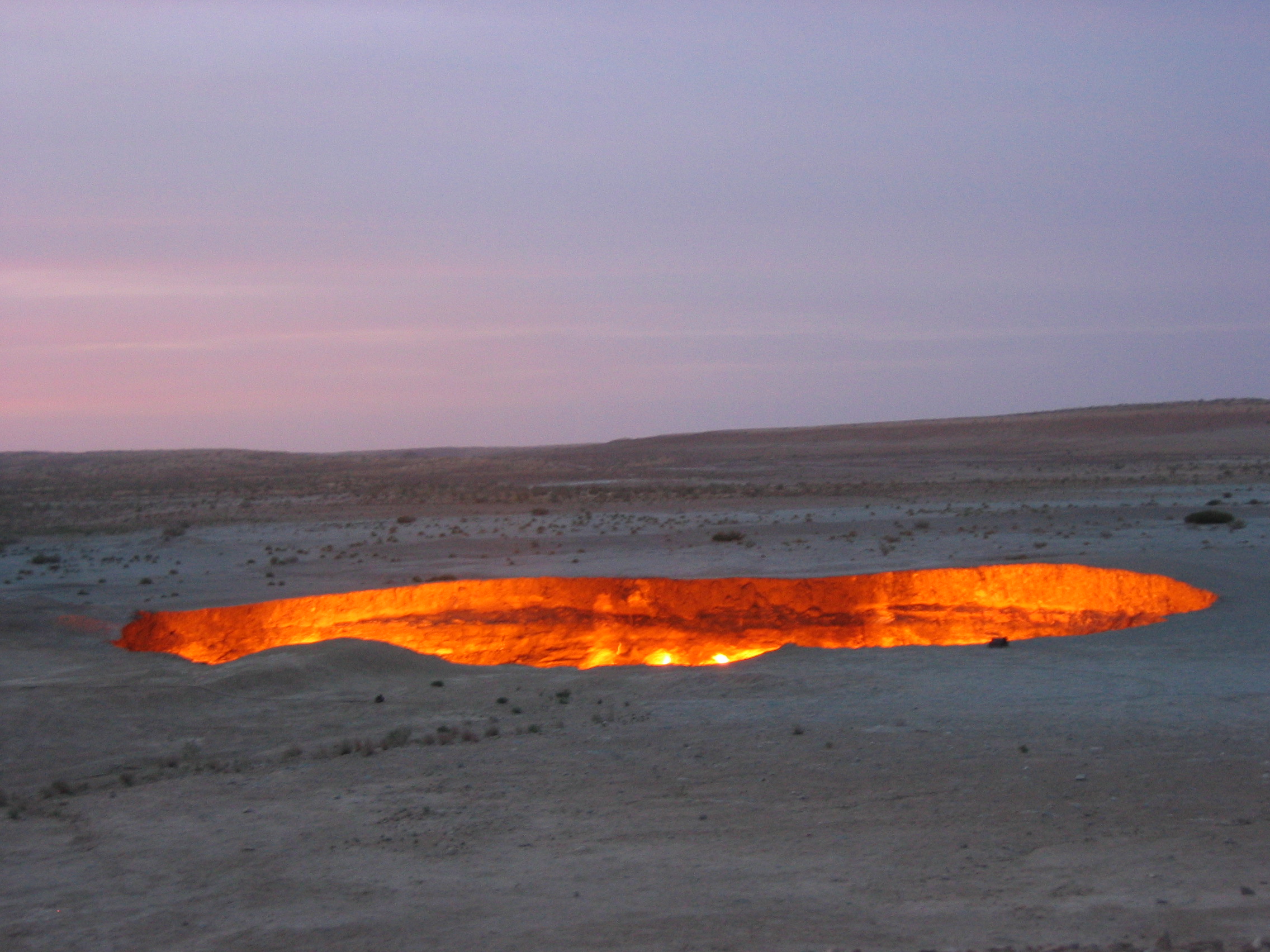
From West African masquerade traditions carried across the Atlantic to the ship-breaking yards of Bangladesh, the stories gathered here span centuries of cultural ingenuity. Explore stilt-walking guardians, the hyena men of Nigeria, Namibia's haunting Skeleton Coast, and the jazz-infused funeral processions of New Orleans — each a window into the continent's far-reaching influence.
Africa holds some of the world's most remarkable natural wonders, many of them hidden in plain sight. Across the continent, travelers can find ancient cave systems carved by water over millennia, vast desert landscapes where salt flats stretch to the horizon, and volcanic craters that have become unique ecosystems. These are not just scenic backdrops but places where the natural world has sculpted something truly extraordinary. From towering rock formations that rise unexpectedly from flat plains to underground rivers that have carved intricate passageways through solid stone, Africa's geography offers a sense of discovery that feels both ancient and immediate. Each location tells a story of geological forces that have been at work for millions of years.
Some of the most curious human-made structures in Africa blend creativity with functionality in unexpected ways. Scattered across the continent are buildings and monuments that challenge conventional ideas about architecture and design. Whether it is a house built entirely from recycled materials, a church carved directly into a mountainside, or a market that has operated in the same spot for centuries, these places reflect the ingenuity and resourcefulness of the people who built them. Many of these structures were created not by famous architects but by local communities working with whatever materials were available. The result is a collection of spaces that feel deeply personal, rooted in tradition yet often strikingly modern in their approach.
Festivals across Africa bring communities together in ways that can seem surprising to outsiders. In many towns and cities, annual celebrations transform ordinary streets into stages for music, dance, and elaborate costumes. These events often have deep historical roots, sometimes blending indigenous traditions with influences brought by traders and travelers over the centuries. What makes them particularly fascinating is the way they have evolved while maintaining their core identity. Participants spend months preparing costumes and rehearsing performances, and the energy during these gatherings is contagious. For visitors, stumbling upon one of these festivals offers a rare glimpse into the living culture of a region, where ancient customs meet contemporary expression in a vibrant explosion of color and sound.
Africa is also home to a number of curious roadside attractions and unusual landmarks that reward the curious traveler. Along highways and in small towns, one might encounter giant sculptures of everyday objects, peculiar museums dedicated to niche subjects, or natural formations that have become local legends. These spots often exist far from the typical tourist routes, discovered only by those willing to take an unexpected detour. They reflect a sense of humor and local pride that is often missing from more polished attractions. Some are the work of a single artist with a vision, while others have grown organically over time as locals added their own contributions. Each one is a reminder that the most memorable travel experiences are often the ones you never planned to have.
Originally a West African tradition, Moko Jumbies — men and women on towering stilts dressed in long gowns — were believed to protect believers from evildoers by masquerading as gods who could look down on all.
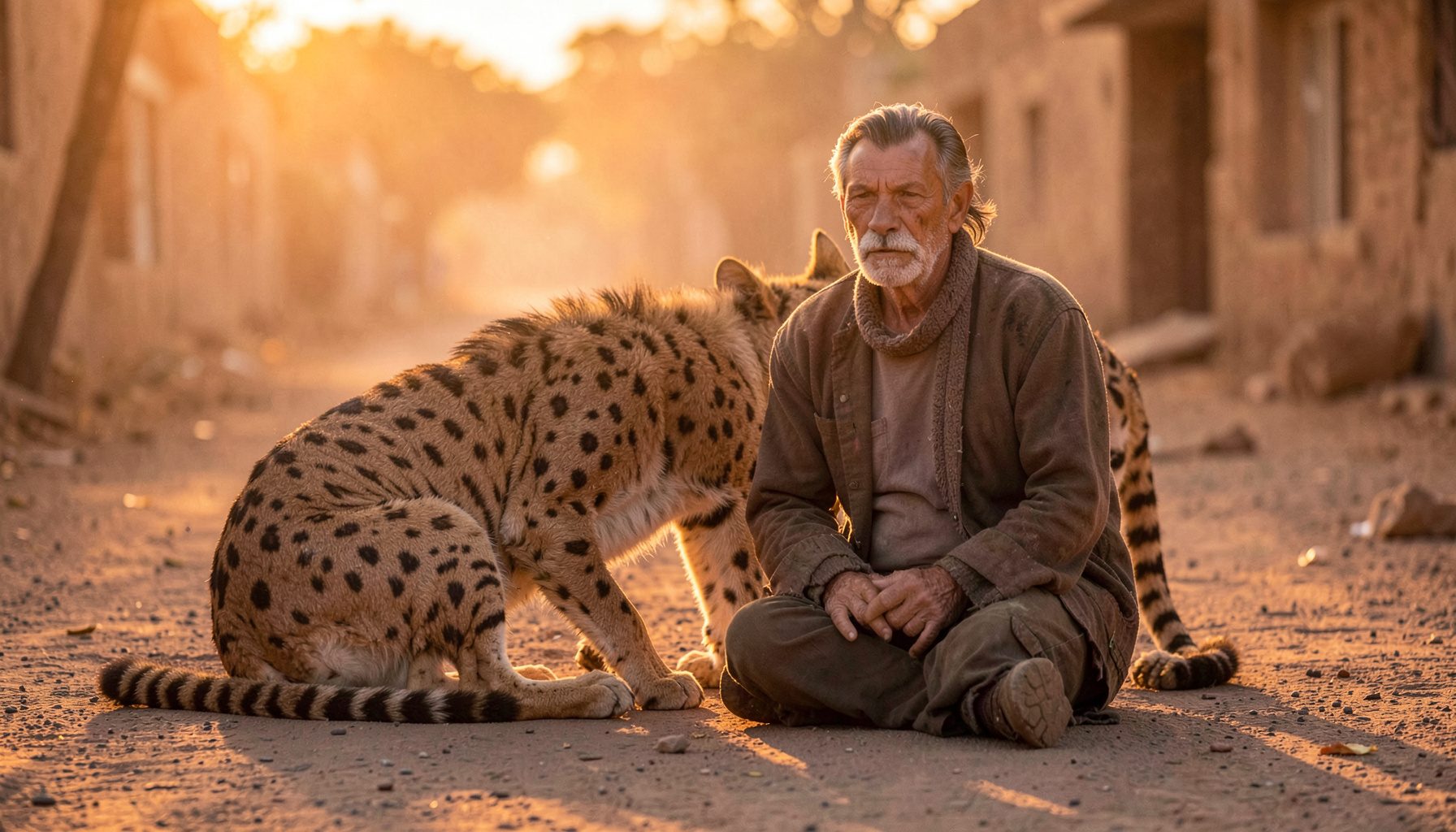
A group of performers in Nigeria who live alongside and handle hyenas, baboons, and rock pythons — a tradition blending spectacle, survival, and an uneasy bond between human and wild animal.
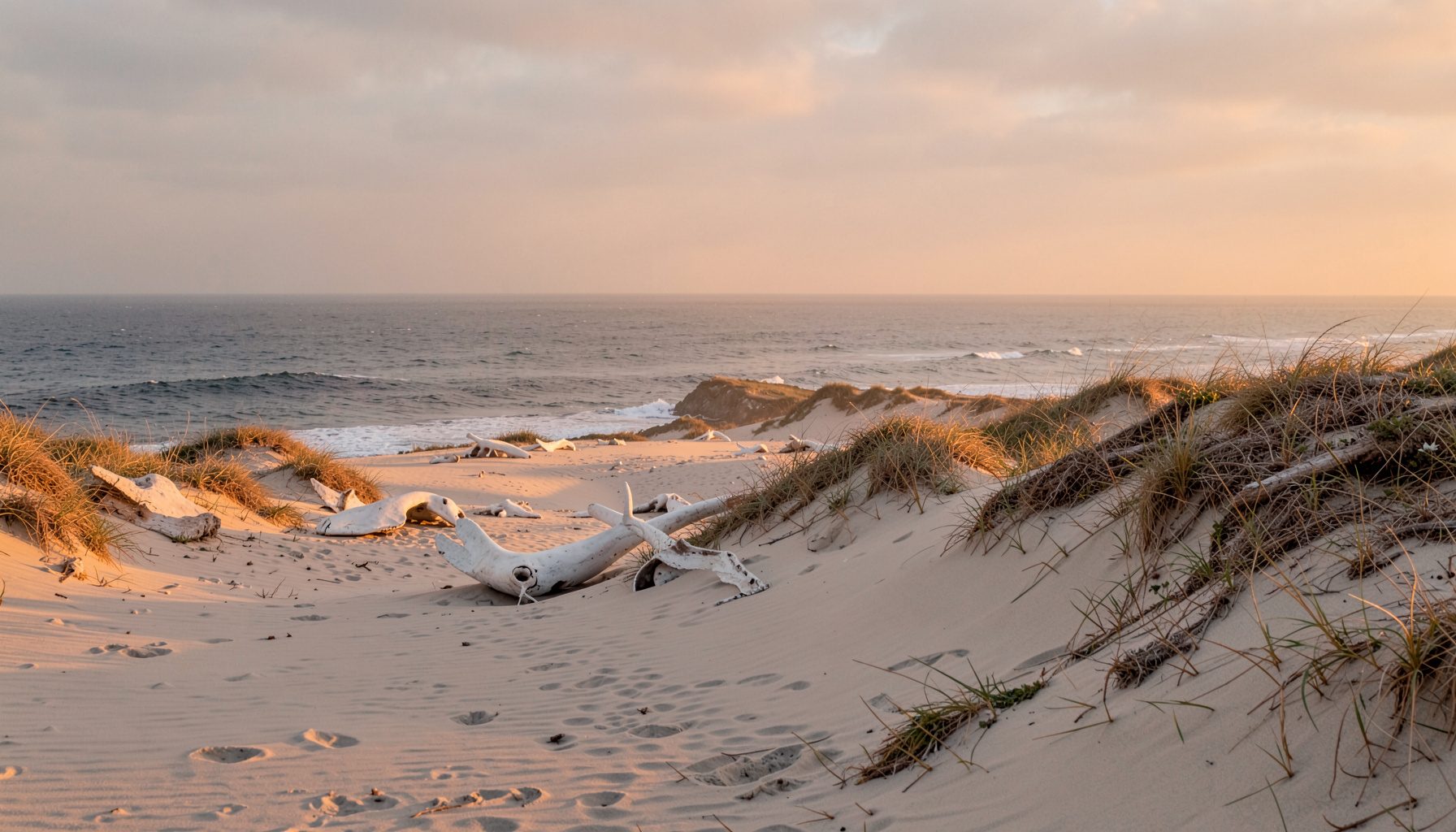
Namibia's remote shoreline earned its name from the countless shipwrecks and whale bones that litter its beaches. Dense fog, shifting dunes, and treacherous currents have made it one of the world's most unforgiving coasts.

A New Orleans tradition with West African roots: a brass band leads mourners with somber hymns on the way to the burial, then breaks into jubilant jazz on the return — celebrating a life passed from earth to spirit.