From ancient folklore to modern urban wonders, Asia is a continent of staggering contrasts. Here you'll find stories about hopping vampires, shape-shifting raccoon dogs, and some of the most inventive ways humans have learned to eat, sleep, and celebrate.
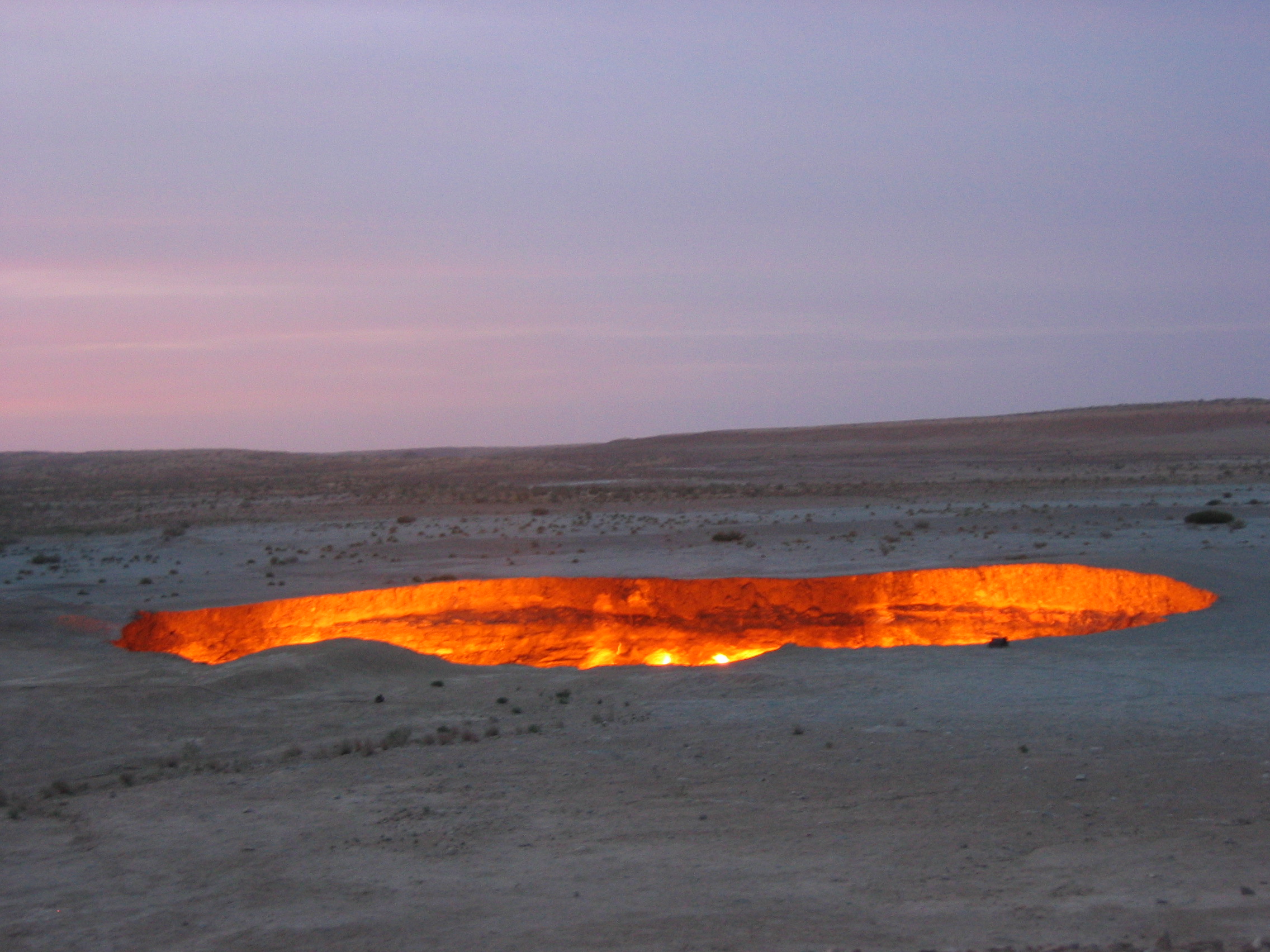
Across Asia, some of the most unusual sights are found in the most unexpected places. Deep within remote deserts, travelers can stumble upon vast sculptures rising from the sand, crafted by artists who sought to leave their mark on the empty landscape. In other corners of the continent, natural caves have been transformed into underground galleries, where ancient rock formations meet contemporary installations. These are not the typical tourist attractions found in guidebooks. They are the kinds of discoveries that happen when you wander off the main road, following a rumor or a hand-drawn map, and find yourself standing before something that feels both ancient and utterly new.
Asia is home to festivals that defy easy explanation, blending centuries of tradition with a sense of joyful chaos. In one town, thousands gather for a festival where the main event involves a massive battle using a surprising fruit, turning the streets into a slippery, sweet-smelling arena. Elsewhere, a community marks the changing of seasons by constructing enormous sculptures from wood and paper, only to set them ablaze in a spectacular display of fire and light. These celebrations are not performances for tourists but deeply rooted local customs, where participation is a matter of pride and the line between spectator and participant disappears entirely.
Beneath the surface of Asia's bustling cities lie hidden worlds that few visitors ever see. Underground river systems flow through caverns so vast they could contain entire city blocks. Some of these caves have been equipped with lighting and walkways, revealing stalactites and rock formations that have been growing for millions of years. In other places, abandoned subway tunnels and wartime bunkers have been repurposed into art galleries, nightclubs, and community spaces. These subterranean environments offer a different perspective on urban life, showing how the continent's history and geography continue to shape the spaces where people live, work, and explore.
Some of Asia's most remarkable landmarks are the result of human determination meeting natural obstacles. In remote mountain regions, roads have been carved into sheer cliff faces, creating passages that hang precariously over deep valleys. Entire villages have been built on steep slopes, their terraced fields climbing toward the sky. In desert areas, ancient irrigation systems channel water from distant sources through underground tunnels, sustaining life in places where rainfall is scarce. These are not just engineering feats but expressions of a deep relationship between people and the land. They remind visitors that some of the most impressive human achievements are found not in capitals but in the remote, hard-to-reach corners of the continent.