Caribbean
Island rhythms, living traditions, and stories from across the West Indies
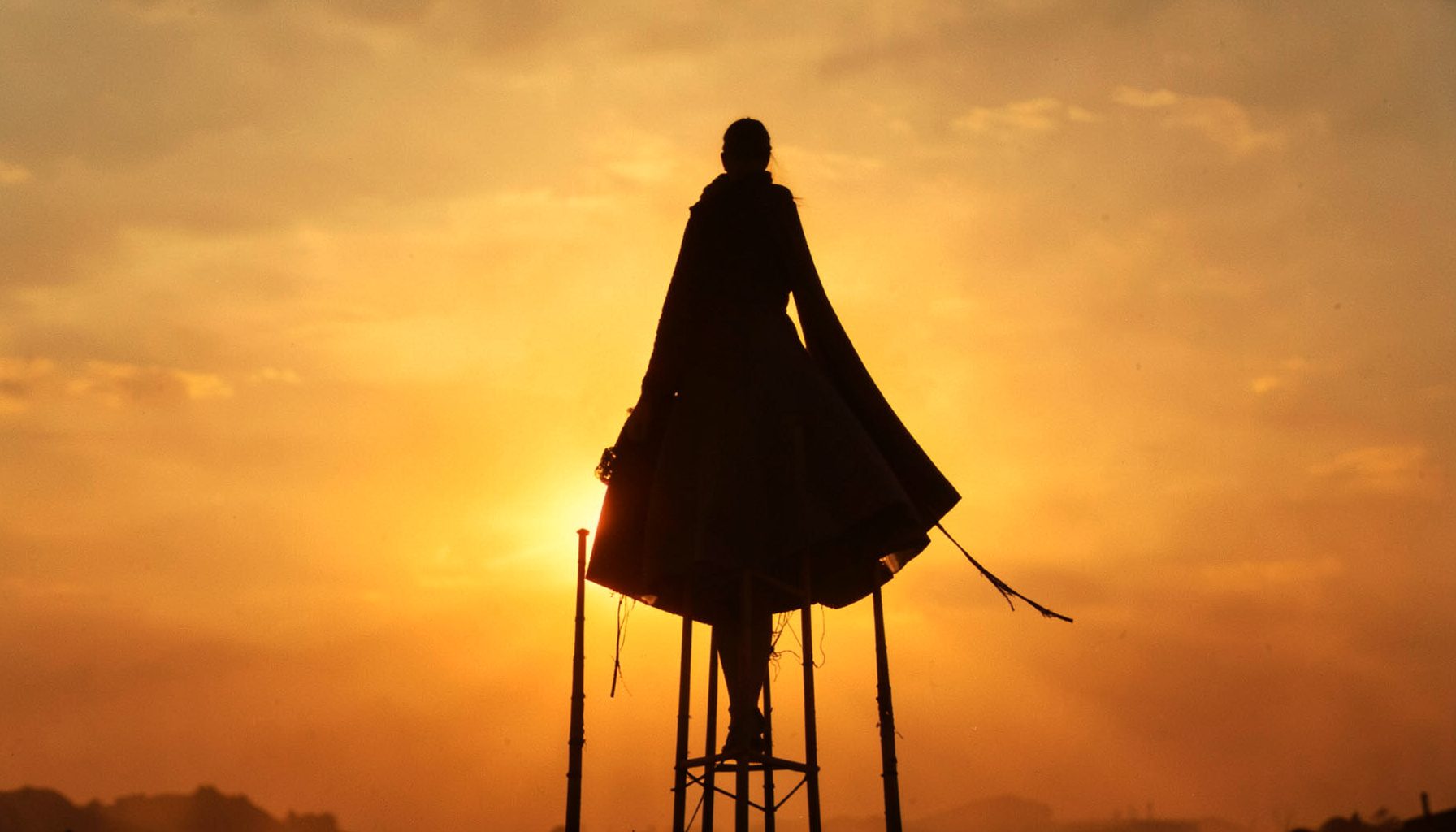
The Caribbean is a mosaic of cultures shaped by African, European, Indigenous, and Asian influences. From stilt-walking spirit guardians to the syncopated pulse of street festivals, this region overflows with traditions that surprise and inspire. Here are some of the cool things we've uncovered among these sun-drenched islands.
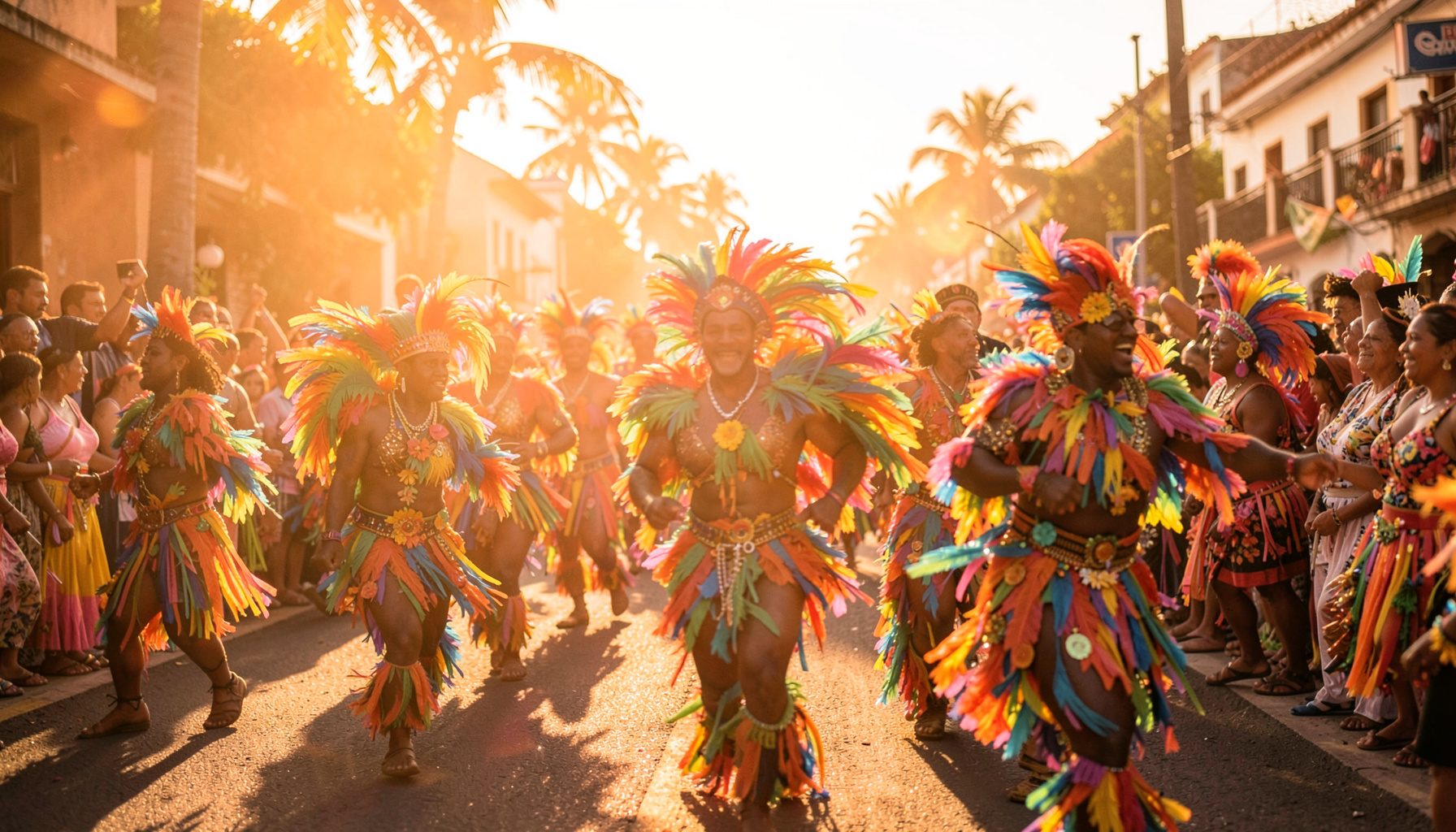
Across the Caribbean, festivals are more than celebrations—they are living expressions of history and identity. Each island puts its own spin on rhythm, costume, and ritual, blending African, European, and Indigenous influences into something entirely new. The streets become stages where masked dancers, drummers, and singers move in unison, telling stories of resistance, survival, and joy. These events often span days, drawing entire communities into a shared experience that transcends age and background. Visitors quickly learn that the energy is contagious, and the music never really stops. Whether it’s the clatter of steelpan or the thrum of a rumba box, the sound of the Caribbean is unmistakable—a heartbeat that pulses through every parade, every street corner, and every gathering under the sun.
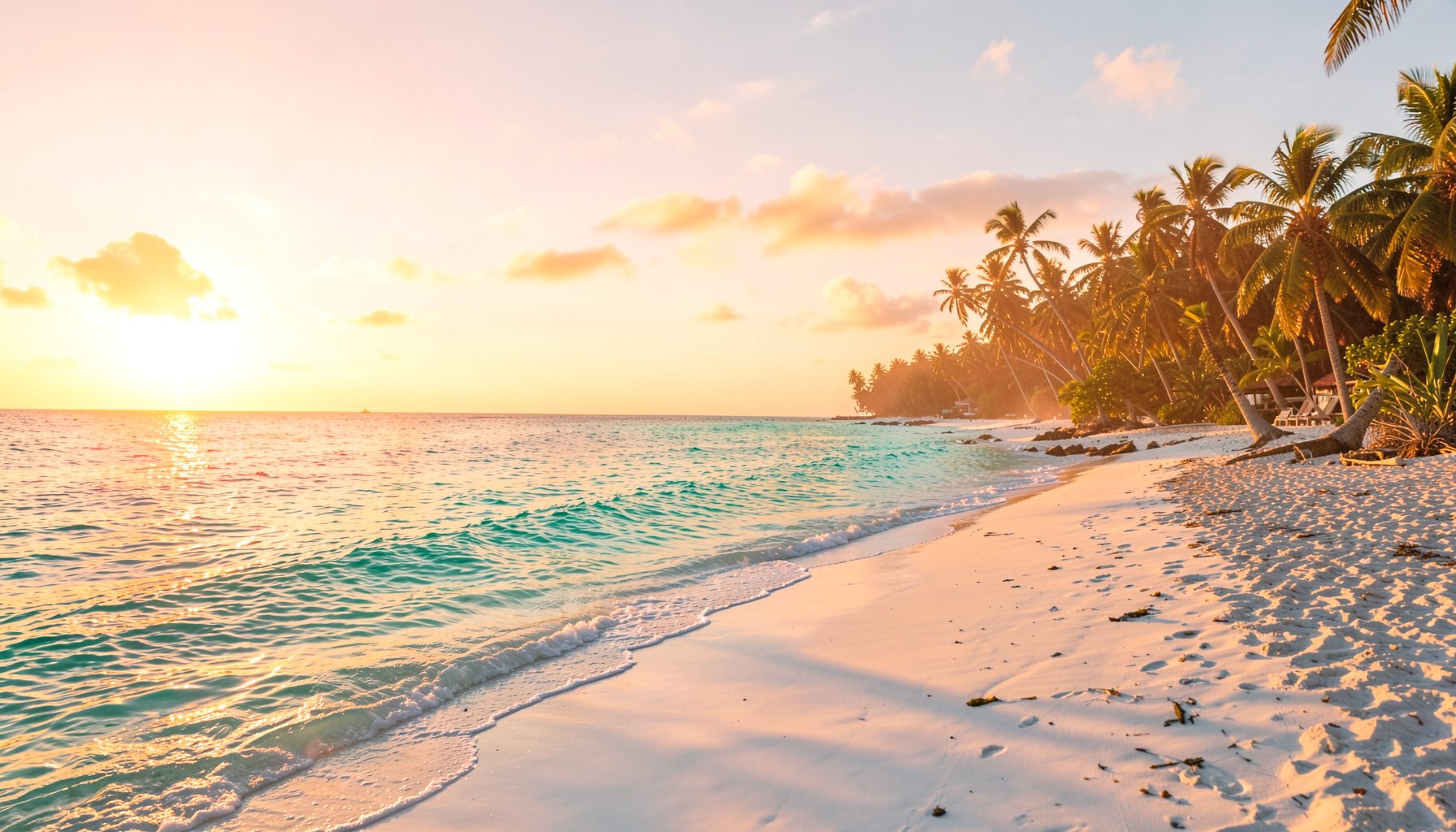
The natural world of the Caribbean holds surprises that rival its cultural wonders. Beneath the waves lie coral gardens, underwater caves, and shipwrecks that have become artificial reefs teeming with marine life. Inland, rainforests shelter waterfalls, glowing lagoons, and limestone formations carved by centuries of rain. Some islands harbor volcanic peaks that rise sharply from the sea, their slopes cloaked in dense green. Others feature dry coastal plains where cacti and hardy shrubs thrive under a relentless sun. These landscapes are not just beautiful—they are fragile ecosystems that support species found nowhere else on Earth. Exploring them reveals a side of the Caribbean that goes far beyond the beaches.
Food in the Caribbean tells a story of migration, adaptation, and resourcefulness. Each dish reflects the ingredients that arrived on different shores: root vegetables, tropical fruits, spices from Asia, and cooking techniques from Africa and Europe. Street vendors offer everything from flaky pastries filled with savory meats to grilled seafood seasoned with fiery pepper sauces. The preparation itself is often a communal affair, with families gathering to grind spices, marinate meats, and tend to slow-cooking pots over open fires. Meals are unhurried, meant to be shared with laughter and conversation. In this part of the world, eating is never just about sustenance—it is an act of connection, a way of passing down heritage through flavor.
Throughout the Caribbean, craftsmanship and artistry remain deeply tied to everyday life. Artisans weave baskets from palm fronds, carve wood into masks and figurines, and shape clay into pottery that echoes ancestral designs. These skills are often passed down through generations, with each maker adding their own subtle twist. Markets burst with color—hand-dyed fabrics, painted gourds, and jewelry made from seeds, shells, and recycled metals. Music and dance are equally crafted, with instruments built from oil drums, gourds, and animal hides. What makes this creativity so compelling is its rootedness in place. Every object, every song, every step carries the memory of the land and the people who have shaped it over centuries.